When it comes to mold remediation, many companies promote misting and fogging as effective solutions for killing mold and preventing regrowth. However,…
When it comes to mold remediation, many companies promote misting and fogging as effective solutions for killing mold and preventing regrowth. However, the science behind these methods is often misunderstood, misapplied, or exaggerated.
The truth? Misting and fogging may help control airborne particles and dust, but they do not physically remove mold spores, toxins, or allergens—which is essential for true mold remediation. If you’re dealing with a mold problem, it’s critical to understand what these methods can and cannot do, and why physical removal and proper cleaning are always required.
Misting vs. Fogging: What’s the Difference?
🔹 Misting: Uses liquid droplets (50-100 microns) to suppress airborne particles and dust during remediation. It is not a mold-killing solution but can help settle contaminants onto surfaces for easier cleaning.
🔹 Fogging: Uses ultra-fine particles (smaller than 50 microns) to disperse antimicrobial chemicals or disinfectants into the air. Some fogging systems claim to “kill” mold, but they do not remove dead mold spores, which remain allergenic and toxic.
🚨 Bottom Line: Neither misting nor fogging alone can eliminate mold contamination. Mold must be physically removed from surfaces to prevent health risks and regrowth.
Why Misting & Fogging Are Misapplied in Mold Remediation
Many manufacturers overstate the effectiveness of fogging and misting products, using terms like:
🚫 “Kills mold on contact”
🚫 “Eliminates all mold spores”
🚫 “Prevents mold from coming back”
⚠️ The Problem:
While fogging and misting may kill mold on the surface, they do not remove dead mold spores, which can still cause:
❌ Allergic reactions
❌ Respiratory issues
❌ Toxic exposure (mycotoxins)
❌ Inflammatory and immune system effects
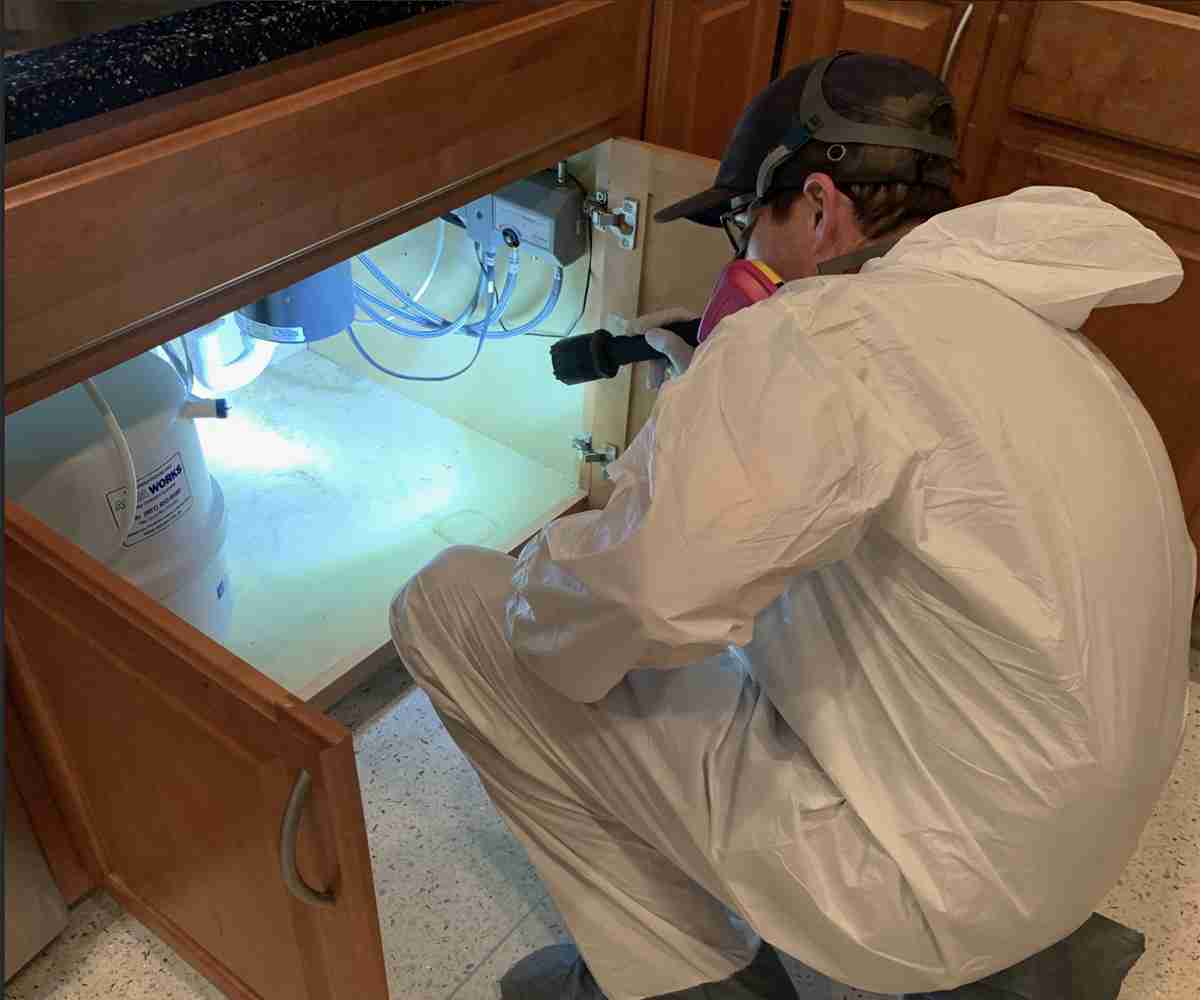
👉 Only physical removal (HEPA vacuuming, wet wiping, and proper containment) can safely and effectively remove mold from a home.
How to Use Misting Properly During Mold Remediation
While misting alone won’t solve a mold problem, it can be used as part of a comprehensive remediation process to help reduce airborne contaminants.
✅ Best Practices for Misting in Mold Remediation:
✔ Use misting only for dust suppression, not as a mold-killing method.
✔ Droplet size should be 50-100 microns – Too small evaporates too fast, too large becomes ineffective spray.
✔ Maintain relative humidity (Rh) at 40% or higher – Helps droplets grow and settle contaminants faster.
✔ Minimize air movement – Too much airflow can evaporate mist droplets before they effectively settle.
✔ Ensure proper ventilation & drying – Excess moisture can cause secondary mold growth.
✔ Remove all porous items before misting – Prevents moisture absorption and cross-contamination.
🚨 Important: Misting does NOT remove mold toxins, allergens, or harmful microbial properties—it only helps settle particles. All contaminants must be physically removed by cleaning.
Why Killing Mold Is Not Enough – The Importance of Physical Removal
Even if fogging or misting kills mold, the remaining spores and toxins:
⚠ Can still trigger allergic and toxic reactions
⚠ Remain in the environment unless physically removed
⚠ Can become airborne again when disturbed
✔ The Proper Mold Remediation Process:
1️⃣ Containment: Prevent spores from spreading to clean areas.
2️⃣ HEPA Air Filtration: Use air scrubbers to capture airborne mold spores.
3️⃣ Physical Removal: Scrubbing, HEPA vacuuming, and damp wiping contaminated surfaces.
4️⃣ Proper Drying: Ensure moisture levels stay below 50% RH to prevent regrowth.
5️⃣ Final Testing & Inspection: Verify that mold and mycotoxins have been successfully removed.
👉 Misting or fogging should NEVER replace this process.
Key Takeaways: Misting & Fogging Myths vs. Facts
Final Thoughts: The Right Way to Handle Mold Remediation
🚫 Misting and fogging are NOT replacements for proper mold removal.
✔ They may help reduce airborne contaminants, but they do NOT remove the source of mold exposure.
💡 For effective mold remediation, focus on physical removal, HEPA filtration, and moisture control.
Connect with a Healthy Building Professional on the HBA directory and transform your living space into a sanctuary of health and sustainability.