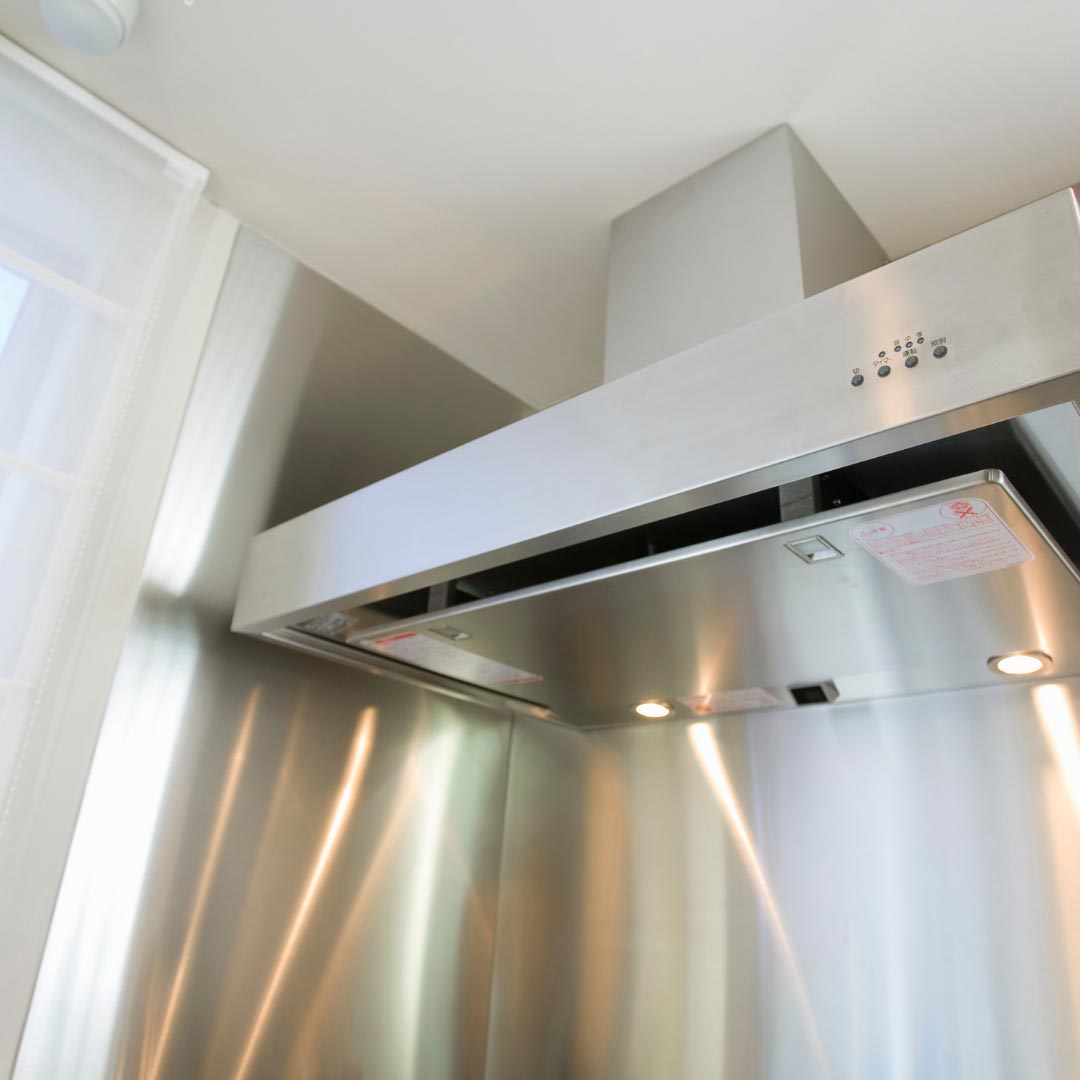
In today's increasingly airtight homes, proper ventilation isn't just a luxury—it's a necessity for maintaining health and wellbeing.
In today's increasingly airtight homes, proper ventilation isn't just a luxury—it's a necessity for maintaining health and wellbeing.
At the Healthy Building Alliance, we understand that the air you breathe at home directly impacts your quality of life, energy levels, and long-term health outcomes.
This comprehensive guide explores why ventilation matters and how implementing the right solutions can transform your living space into a sanctuary of clean, fresh air.
Why Your Home Ventilation System Matters More Than You Think
Modern construction techniques have prioritized energy efficiency by creating increasingly airtight building envelopes.
While this approach reduces energy costs, it can inadvertently trap pollutants, excess moisture, and stale air inside your home. Without adequate ventilation, these issues compound over time, potentially leading to:
- Insufficient oxygen supply (outdoor air naturally contains 21% oxygen)
- Respiratory problems and increased allergy symptoms
- Mold growth and structural damage
- Accumulated volatile organic compounds (VOCs) from building materials, furniture, and household products
- Excessive carbon dioxide levels affecting cognitive function and sleep quality
- Increased levels of microorganisms in your living space
- Reduced levels of beneficial negative air ions
- Lingering cooking odors and pet dander
A properly designed home ventilation strategy balances energy efficiency with indoor air quality, creating an environment that supports optimal health while maintaining comfortable temperatures year-round.
The Science Behind Proper Home Ventilation
According to building biology principles, an air change rate of 50 m³ per hour (approximately 30 cubic feet per minute) is recommended for maintaining healthful indoor air conditions. However, this baseline requirement may need to be increased in certain circumstances, such as:
- Homes with fireplaces that depend on indoor air for combustion
- Spaces where cigarette smoking occurs
- Areas with high occupant activity levels
- Environments with elevated indoor pollutants like formaldehyde or radon
Natural air infiltration through building joints is no longer sufficient or desirable in modern, energy-efficient homes.
While natural ventilation through open windows is traditional, it often provides either too little air exchange (causing indoor air quality problems) or too much (wasting energy). This is why controlled ventilation systems are essential in creating healthy homes.
The Hidden Dangers of Poor Home Ventilation
Moisture and Mold: The Silent Destroyers
Inadequate ventilation allows moisture to accumulate in bathrooms, kitchens, and other high-humidity areas.
This excess moisture creates the perfect environment for mold growth, which can trigger allergies, asthma attacks, and other respiratory issues. Beyond health concerns, unchecked moisture can compromise structural integrity, leading to costly repairs.
Indoor Air Pollution: What You Can't See Can Hurt You
The EPA estimates that indoor air can be 2-5 times more polluted than outdoor air, even in urban environments.
Without proper ventilation, these pollutants—including VOCs, particulate matter, and biological contaminants—become concentrated in your living space. Long-term exposure has been linked to:
- Headaches and fatigue
- Irritation of eyes, nose, and throat
- Exacerbated symptoms of asthma and allergies
- Potential long-term health effects including respiratory disease, heart disease, and cancer
Carbon Dioxide Buildup: The Cognitive Impact
Studies have shown that elevated CO2 levels—common in poorly ventilated spaces—can significantly impair cognitive function, decision-making abilities, and productivity. This means your under-ventilated home could be affecting not just how you feel, but how you think.
7 Powerful Home Ventilation Solutions for Every Budget
1. Natural Ventilation Strategies
The simplest approach to home ventilation involves strategically opening windows to create cross-ventilation, especially during moderate weather conditions.
At The HBA, we emphasize openable windows and demand-controlled passive vents as core components of natural ventilation strategies. While not always feasible due to external temperatures or air quality concerns, natural ventilation can be enhanced by:
- Opening windows on opposite sides of your home to create cross-ventilation
- Using window fans to increase air movement
- Installing window vents that allow minimal air exchange even when windows are closed
Cost: $ | Effectiveness: ★★☆☆☆ (climate-dependent)
2. Spot Ventilation: Targeted Solutions for Problem Areas
Exhaust fans in kitchens, bathrooms, and toilets remove moisture and pollutants at their source. For optimal effectiveness:
- Install high-quality exhaust fans with sufficient CFM (cubic feet per minute) ratings for your space
- Ensure proper ducting that vents directly outside, not into attics or crawl spaces
- Consider models with humidity sensors that automatically activate when moisture levels rise
- Choose units with noise levels less than 1.0 sone, ideally less than 0.5 sone for quiet operation
Cost: $-$$ | Effectiveness: ★★★☆☆
3. Whole-House Mechanical Ventilation Systems
Balanced Ventilation Systems
The gold standard for home ventilation, these systems use separate mechanical systems for supply and exhaust, creating balanced airflow throughout your home. These systems:
- Use two fans that exhaust and supply similar volumes of air
- Exchange stale indoor air with fresh outdoor air
- Provide consistent ventilation regardless of weather conditions
- Can include filtration systems for incoming air
Cost: $$$-$$$$ | Effectiveness: ★★★★☆
Heat Recovery Ventilators (HRVs) and Energy Recovery Ventilators (ERVs)
These advanced balanced systems add significant energy efficiency to ventilation:
- Recover heat (or cooling) from exhaust air to pre-condition incoming air
- Reduce energy costs while maintaining excellent ventilation
- Provide appropriate humidity control
- Filter incoming air to remove particulates and allergens
When selecting these systems, look for:
- Motors designed for continuous operation
- Air intake placement away from potential contaminant sources
- Low energy consumption
- User-friendly controls and easy maintenance access
Cost: $$$$ | Effectiveness: ★★★★★
Supply Ventilation Systems
These systems use fans to pressurize your home by bringing in outside air, forcing stale air out through leaks in the building envelope. They create positive pressure in a room and are best suited for hot, humid climates. These systems can:
- Help prevent moisture intrusion in walls
- Filter incoming air to improve indoor air quality
- Potentially create drafts and increase heating/cooling costs
Cost: $$-$$$ | Effectiveness: ★★★☆☆
Exhaust Ventilation Systems
Using exhaust fans to depressurize your home, these systems draw fresh air in through vents or leaks in the building envelope. They create negative pressure in a room, work best in cold climates and offer:
- Simpler installation and lower cost than balanced systems
- Effective moisture control
- Limited filtration options for incoming air
Cost: $$-$$$ | Effectiveness: ★★★☆☆
4. Advanced Filtration and Air Purification
While not ventilation in the strictest sense, modern air purification systems complement your ventilation strategy by:
- Removing particulates, allergens, and certain VOCs
- Addressing specific concerns like pet dander or seasonal allergies
- Providing additional air cleaning in areas with elevated pollution
These systems are especially recommended for homes in areas with:
- Elevated levels of outdoor air pollutants
- Excessive traffic noise preventing window opening
- Mold problems requiring additional ventilation
- Occupants with allergies, particularly to pollen
Look for models with HEPA filtration, activated carbon for VOC removal, and minimal ozone production.
Cost: $$-$$$ | Effectiveness: ★★★★☆ (for filtration, not fresh air exchange)
5. Smart Ventilation Controls
Modern technology allows for unprecedented control over your home's ventilation system:
- Smart controllers that adjust ventilation rates based on indoor air quality measurements
- Integration with home automation systems
- Remote monitoring and control via smartphone apps
- Scheduling capabilities to increase ventilation during high-occupancy periods
Cost: $$-$$$ | Effectiveness: Enhances existing systems
Avoiding Common Ventilation Pitfalls
At the HBA, we frequently encounter ventilation systems compromised by:
- Poor design choices
- Use of cheap components
- Inappropriate installation techniques
These issues often lead to problems with:
- Drafts and uncomfortable air movement
- Excessive dust circulation
- Noise from improperly mounted fans
- Deionization of the air
- Microbial overgrowth in ducting and components
A properly designed system avoids these issues through careful planning, quality components, and professional installation.
Creating Your Custom Home Ventilation Plan
The ideal ventilation solution varies based on your:
- Climate zone and seasonal weather patterns
- Home's construction and existing air leakage
- Specific health concerns or sensitivities
- Budget constraints
- Energy efficiency goals
At The HBA, our members' comprehensive home assessments evaluate these factors to develop a personalized ventilation strategy that balances health, comfort, and energy efficiency.
Beyond Basic Ventilation: The HBA Approach
We believe optimal home ventilation is just one component of a truly healthy home. Our holistic approach considers how ventilation interacts with:
- Building envelope performance
- Heating and cooling systems
- Indoor air quality monitoring
- Non-toxic building materials
- EMF protection measures
By addressing these interconnected systems, we create living environments that actively contribute to your health rather than compromise it.
Take Action Today for Healthier Home Air
Poor ventilation affects not just your comfort, but your health, cognitive function, and your home's structural integrity. Taking steps to improve your home's ventilation system represents one of the most impactful investments you can make in your family's wellbeing.
Contact an HBA member for a comprehensive assessment of your home's ventilation needs and a customized plan to create the fresh, clean indoor environment you deserve.
Connect with a Healthy Building Professional on the HBA directory and transform your living space into a sanctuary of health and sustainability.